
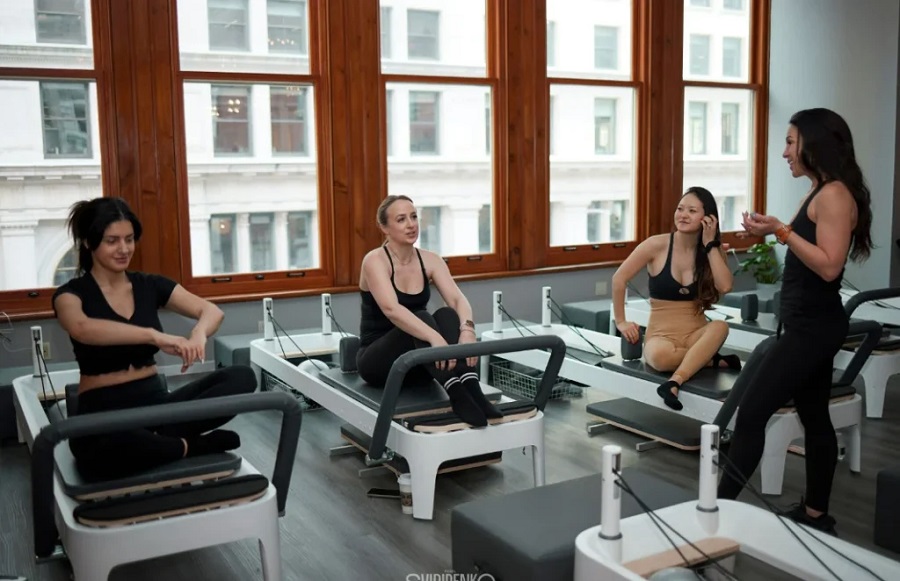
Many adults think core strength means doing more crunches, but the body needs much more than that. A strong core supports posture, breathing, balance, spinal control, and daily movement. This is one reason people searching for pilates singapore options are often looking for a smarter way to build strength without jumping into heavy gym routines or high-impact workouts.
Desk-bound adults face a specific problem. Their bodies are not always weak because they are lazy. They become weak in certain areas because modern routines keep them in the same positions for too long. Sitting for hours can reduce hip mobility, weaken deep core engagement, and create stiffness in the back and shoulders. Pilates helps because it trains control, alignment, breathing, and stability together.
Why Desk Work Weakens the Core
The core is not just the front abdominal muscles. It includes deeper muscles around the trunk, pelvis, lower back, and hips. These muscles help the body stay stable while sitting, standing, walking, bending, and lifting.
When people sit for long hours, the core often becomes passive. The chair supports the body, so the muscles do not need to work much. Over time, posture may collapse. The lower back may take more strain. The hips may tighten, and the body may lose awareness of how to stabilize itself.
This is why many adults feel back stiffness even if they are not doing physically demanding work. The body is underused, not properly supported, and often held in poor positions for too long.
Pilates Builds Strength Through Control
Pilates is different from many fitness routines because it focuses heavily on controlled movement. Instead of rushing through repetitions, students learn how to move with precision. This makes the practice useful for people who need to rebuild body awareness.
In a Pilates class, small movements can feel surprisingly challenging. A leg lift, bridge, curl, or controlled hold may reveal weak areas that larger gym exercises hide. This is valuable because it trains stability at a deeper level.
The goal is not only to feel the muscles burn. The goal is to improve how the body organizes movement.
Why Core Strength Helps Posture
Poor posture is often connected to weak or poorly coordinated support muscles. If the core does not support the spine well, the body may collapse forward or overuse the lower back.
Pilates helps students understand how to support the spine from the center of the body. This can improve sitting posture, standing posture, and movement efficiency. When the core works better, the shoulders and neck do not need to compensate as much.
This can be especially helpful for people who spend long hours at laptops or desks.
Low-Impact Strength for Busy Adults
Many adults want to become stronger but feel intimidated by heavy gym equipment or high-intensity classes. Pilates offers a low-impact alternative. The movements can be challenging without placing excessive pressure on the joints.
This does not mean Pilates is easy. Controlled movement can be very demanding. However, it is often more approachable for people who want strength without jumping, running, or lifting heavy weights.
For desk-bound adults, this is useful because they may need strength and mobility before adding more intense training.
Better Body Awareness During Daily Movement
Pilates teaches students to notice how they move. Are they holding the breath? Are they arching the lower back too much? Are they using the shoulders instead of the core? Are both sides of the body working evenly?
This awareness can change daily habits. A person may begin to sit differently, lift objects more carefully, or notice when the back is taking too much strain. These changes are practical and health-focused.
Pilates is not only a class activity. It can influence how people use their bodies throughout the day.
Why Breathing Matters in Pilates
Breathing is a key part of Pilates. It helps students control movement and maintain focus. Many desk workers breathe shallowly because of stress and posture habits. Pilates encourages more intentional breathing during effort.
This matters because breath affects tension. If a person holds the breath during movement, the body may become rigid. When breathing is coordinated, movement often becomes smoother and more controlled.
Good breathing also helps students stay present instead of rushing through exercises.
Pilates and Back Support
Many people discover Pilates because they want better back support. While persistent or severe pain should be assessed by a healthcare professional, general back stiffness linked to poor posture and weak core control may benefit from Pilates-style movement.
Pilates strengthens the muscles that help support the spine. It also improves pelvic control and hip awareness. This can reduce unnecessary strain in daily life.
The practice should be progressive. Students should not force movements or ignore discomfort. Good instruction matters.
Making Pilates a Weekly Health Habit
Pilates works best when practiced consistently. One class can reveal weak areas, but regular sessions help the body adapt. Adults may begin with one class per week and add more if the routine feels sustainable.
The practice can also complement yoga, walking, strength training, or other movement habits. It fits well into a balanced wellness routine because it supports the body’s foundation.
For people looking to build core strength and better body control in Singapore, Yoga Edition can be part of a structured wellness routine that includes Pilates, yoga, mobility, and mindful movement.
FAQs
My core shakes during Pilates. Is that a bad sign?
Not always. Shaking can happen when small stabilizing muscles are working harder than usual. It usually means the body is being challenged. If the shaking comes with sharp pain, dizziness, or loss of control, reduce the movement or ask the teacher for a modification.
Can I do Pilates after sitting all day at work?
Yes, but give yourself a few minutes to transition. Walk around, hydrate, and avoid rushing straight from a stressful desk session into class. Your body may need gentle warm-up time before deeper core work feels comfortable.
Should I eat before an evening Pilates class?
A light snack can help if you are hungry after work. Avoid a heavy meal right before class because abdominal work, bridges, and controlled leg movements can feel uncomfortable on a full stomach.