
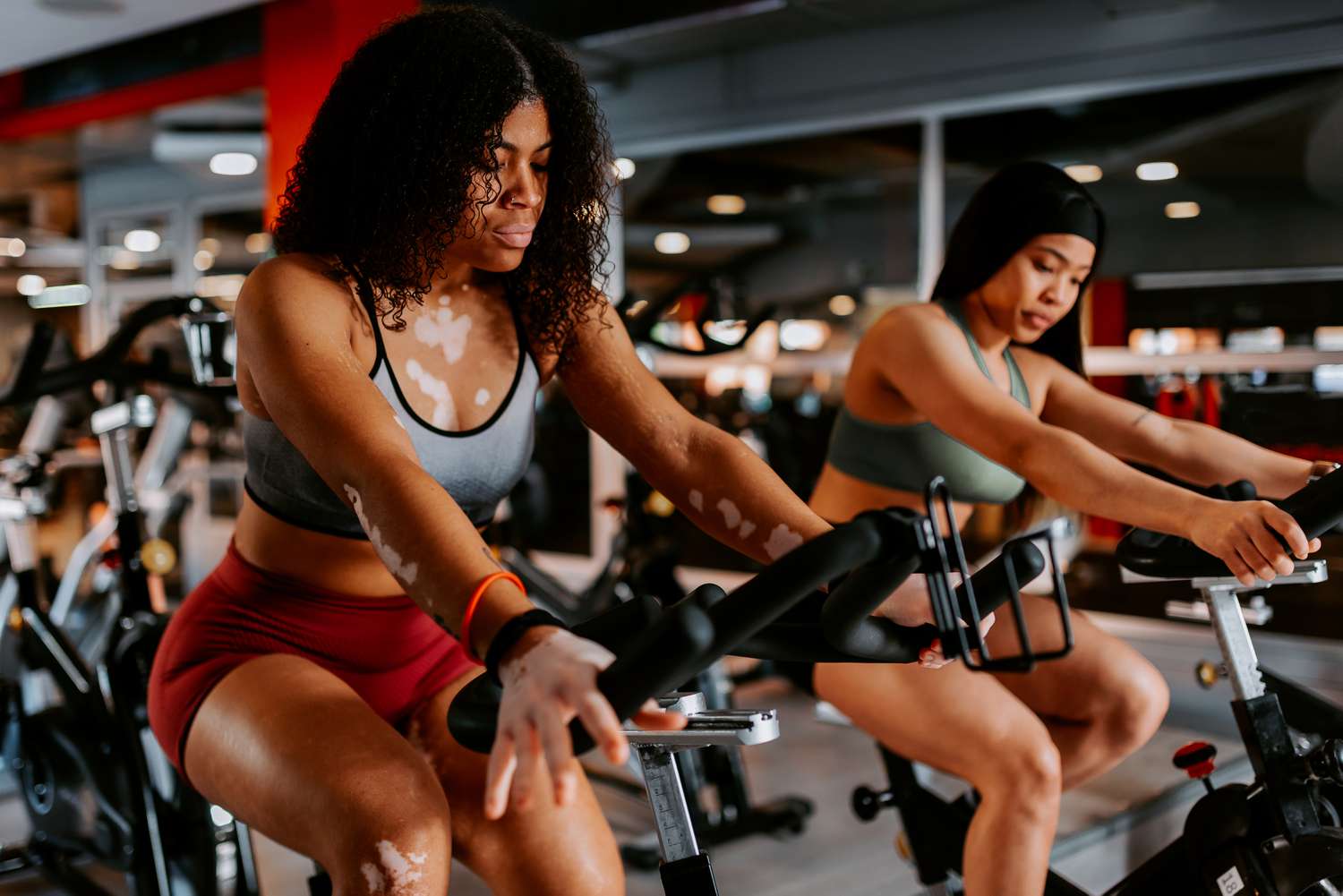
Singapore’s fitness culture has shifted in a way that is hard to ignore. The boot camp floor that was once overflowing with burpees and battle ropes is quieter now, while the cycling studio down the corridor runs a waitlist three days out. This is not a trend driven by social media aesthetics alone. It reflects a deeper, more informed understanding of how the body responds to different training stimuli over time, and why high-impact, high-intensity formats are losing ground to something more sustainable.
If you have been curious about making the switch, joining an indoor spin class gives you a structured entry point into rhythm-based, low-impact training that delivers measurable cardiovascular and muscular benefits without the accumulated joint stress that comes with repeated high-impact movement.
The Problem With Chronic HIIT Training
High-intensity interval training earned its reputation honestly. The research supporting short bursts of maximum effort followed by recovery periods is solid, and for people who are new to exercise or training with a specific short-term goal, HIIT delivers results quickly. The problem is not HIIT itself. The problem is chronic, unvaried HIIT performed four to six times a week with no periodisation, no structured recovery, and no progression model.
When the body is pushed into maximum output repeatedly without adequate rest, the adrenal glands respond by producing elevated cortisol over a sustained period. Cortisol in short bursts is entirely normal and even useful. It mobilises energy, sharpens focus, and supports the fight-or-flight response your body needs during intense effort. But when cortisol remains chronically elevated, the downstream effects become counterproductive for anyone training with health or body composition goals in mind.
Common signs of adrenal fatigue from HIIT overtraining include:
- Persistent tiredness even after a full night of sleep
- Elevated resting heart rate in the mornings
- Reduced motivation to train despite no change in schedule
- Slower recovery between sessions
- Increased susceptibility to colds and minor infections
- Mood instability, particularly irritability after training
For Singapore’s working population, who already carry significant occupational and environmental stress loads, adding chronic training stress on top of a demanding work week is a combination that frequently leads to burnout rather than results.
Why Indoor Cycling Works Differently
Indoor cycling sits in a fundamentally different category from HIIT boot camps, not because it is easier, but because of how the intensity is structured and controlled. On a stationary bike, the rider controls their own resistance and cadence. There is no external pressure to match a partner’s jump height or keep pace with someone else’s burpee speed. The effort is entirely self-regulated, which means the training stimulus can be calibrated to exactly what the body needs on any given day.
This is not a minor distinction. Self-regulated resistance means that a rider coming in fatigued can still complete a meaningful session at a lower intensity without skipping class entirely or pushing through a level of exertion that deepens their fatigue. A rider who is fully recovered and ready to go hard can push into maximum effort zones during sprint intervals without any ceiling on their output.
The cardiovascular demand of a well-structured cycling session is comparable to HIIT when performed at high intensity, but the joint load is dramatically lower. There is no ground-reaction force on the knees, hips, or spine. The movement is cyclical and fluid rather than percussive and abrupt.
The Science of Interval Cycling Versus Boot Camp HIIT
Both formats use interval structures, but the physiological pathway differs in important ways. Boot camp HIIT typically alternates between full-body explosive movements and brief rest periods. The energy demand spikes sharply and the recovery is incomplete by design, which creates metabolic stress across multiple muscle groups simultaneously.
Interval cycling targets the cardiovascular system as the primary driver. The legs are the primary movers, but the heart and lungs are the limiting factor in most cycling intervals. This means the training stimulus is directed precisely where cardiovascular adaptation happens: in the heart muscle itself, in the capillary density of the working muscles, and in the efficiency of oxygen delivery throughout the body.
Research published in exercise physiology literature consistently shows that cycling-based interval training improves VO2 max, resting heart rate, and cardiac output in a dose-response relationship. In other words, the more consistently you train within appropriate intensity zones, the more your cardiovascular system adapts. This is exactly the mechanism behind structured cycling formats like RPM and ICE Bootcamp, which guide riders through hill climbs, sprints, and flat terrain intervals in a sequence designed to stress and then partially recover the cardiovascular system across a full session.
Joint Longevity and Long-Term Training Sustainability
One of the most practical arguments for cycling over boot camp HIIT is what it means for your training longevity. Singapore has a large and growing population of recreational fitness enthusiasts in their 30s, 40s, and 50s who want to stay active and fit for decades, not just for a short-term transformation challenge. For this group, the cumulative impact of repeated high-impact movement on joints matters enormously.
The knee joint is particularly vulnerable in boot camp formats that include jumping, running, lateral cutting movements, and heavy landing mechanics performed with fatigue. When form breaks down under fatigue, and it always does in high-rep, high-intensity formats, the risk of overuse injury to the patellar tendon, the meniscus, and the surrounding ligamentous structures increases substantially.
Indoor cycling eliminates this risk category almost entirely. The knee moves through a controlled, circular range of motion. There is no landing impact, no lateral shear force, and no rotational load. For someone who has had a previous knee injury, is managing mild arthritis, or simply wants to protect their joints over a long athletic career, cycling offers a path to genuine cardiovascular fitness without the injury accumulation that eventually forces most boot camp regulars to take extended breaks.
Group Energy Without Group Pressure
One element of boot camp culture that many people find quietly exhausting is the competitive social dynamic. When everyone in the room can see how many reps you completed or how far behind you fell during a relay drill, the group environment creates pressure rather than support for people who are not at the top of their fitness level.
The cycling studio reverses this dynamic. You are in the room with others, you feel the collective energy, you hear the music, and you benefit from the motivational presence of an instructor and your fellow riders. But nobody can see your resistance setting. Nobody knows if you are in a moderate endurance zone or pushing maximum power output. The group energy is additive rather than comparative, which makes the environment accessible to a much wider range of fitness levels and personality types.
This is particularly relevant in Singapore, where many people who want to exercise regularly find group fitness intimidating rather than motivating. The cycling studio lowers the barrier to entry while still delivering the community and energy that make group classes more sustainable than solo gym sessions.
Making the Transition
If you are currently training with a boot camp or HIIT format and considering a shift toward indoor cycling, the transition does not need to be abrupt. A practical approach is to replace two of your weekly HIIT sessions with cycling classes and observe how your recovery, energy levels, and overall training quality respond over four to six weeks.
Most people find that within the first two to three weeks, their resting heart rate begins to drop, their sleep quality improves, and their motivation to train returns if it had been flagging. These are reliable early signs that the body is recovering more effectively and adapting positively to the new training stimulus.
Pay attention to bike setup from your very first class. Seat height, handlebar height, and cleat position if applicable all affect how efficiently you can pedal and how safe the movement is for your knees and lower back. A well-set-up bike makes an enormous difference to both comfort and performance, and most cycling studios offer a proper setup briefing for new riders.
Frequently Asked Questions
Is spin class as effective as HIIT for fat loss?
Yes, when performed consistently at appropriate intensities, indoor cycling produces fat loss results that are comparable to HIIT. The key variable is intensity and frequency. A 45 to 60-minute cycling session at moderate to high effort burns a significant number of calories and triggers the post-exercise oxygen consumption effect that elevates your metabolic rate for hours after the session ends. The advantage cycling has over HIIT for fat loss is sustainability. Most people can maintain a consistent cycling schedule for months without injury or burnout, whereas chronic HIIT tends to cause breaks due to overuse injury or adrenal fatigue, both of which interrupt the consistency that actually drives fat loss.
Can I do spin class and HIIT in the same week?
Yes, and for many intermediate to advanced exercisers, combining both formats in a structured weekly schedule is a highly effective approach. The key is sequencing and recovery. Avoid placing a maximum-effort cycling session and a high-impact HIIT session on back-to-back days. A well-structured week might include two to three cycling sessions and one to two HIIT sessions with at least one full rest or active recovery day between intensive efforts. This combination allows you to benefit from the cardiovascular specificity of cycling and the full-body metabolic demand of HIIT without accumulating excessive fatigue in either system.
Why do I feel more tired after HIIT than after spin class even when both feel hard?
The type of fatigue differs significantly. HIIT that involves jumping, sprinting, and full-body compound movements creates both central nervous system fatigue and muscular fatigue simultaneously. Indoor cycling primarily creates cardiovascular and localised muscular fatigue in the lower body. The nervous system recovers more quickly from cycling because it does not involve the same explosive, high-force motor patterns that HIIT demands. This is why you can often do a harder cycling session on the day after a cycling class than you could do a HIIT session the day after HIIT.
How long before I notice a difference switching from HIIT to spin?
Most people notice subjective improvements in energy, sleep quality, and mood within two to four weeks of making the switch. Measurable fitness improvements such as a lower resting heart rate and improved performance in class typically show up between four and eight weeks with consistent training of three or more sessions per week.
Is indoor cycling suitable for someone who has never exercised regularly?
Absolutely. Because resistance and speed are entirely self-controlled, cycling classes are genuinely accessible to people at any starting fitness level. The instructor’s cues provide guidance, but you set your own effort level. Starting with two sessions per week and progressing gradually is a safe and effective approach for someone returning to exercise or starting for the first time.
TFX Singapore offers a range of cycling class formats across multiple intensity levels, making it straightforward to find a starting point that matches your current fitness level and progress toward more demanding sessions as your fitness develops.