
In the pursuit of personal goals—whether fitness, career, or lifestyle—tracking progress is often touted as one of the most important factors for success. But when it comes to tracking meaningful progress, most of us fall into the trap of superficial metrics that fail to reflect true results. Whether you’re striving to lose weight, build muscle, advance in your career, or improve your mental well-being, the right approach to tracking your progress can be the difference between temporary motivation and long-term success.
This article delves into advanced strategies for tracking progress in a way that produces real results. Rather than relying on basic metrics or arbitrary check-ins, we’ll explore thoughtful, evidence-based approaches that empower you to measure what truly matters and maintain consistent growth in your pursuits.
1. Move Beyond the Scale: Focus on Body Composition
When it comes to tracking fitness progress, many people rely on the number on the scale. While weight is one dimension of health, it’s a highly unreliable metric when it comes to measuring true progress. Two individuals of the same weight can look vastly different depending on their body composition—one may have more muscle mass, while the other carries more fat.
Advanced strategy: Shift your focus from weight to body composition. Body composition, the ratio of lean mass (muscles, bones, water) to fat mass, is a far more accurate measure of health and fitness progress. For instance, muscle weighs more than fat, so if you’re strength training, you might gain muscle while losing fat, which could leave your weight relatively unchanged. Tracking body fat percentage—using tools like calipers, bioelectrical impedance scales, or even DEXA scans—gives a clearer picture of how your body is transforming.
How to implement: Invest in a quality body fat scale or seek professional help for a more detailed assessment. Also, take regular circumference measurements of key areas such as the waist, hips, thighs, and arms. These numbers can tell you much more about your fitness and body composition than weight alone.
2. Use Fitness Tracking Tools to Monitor Progress and Performance
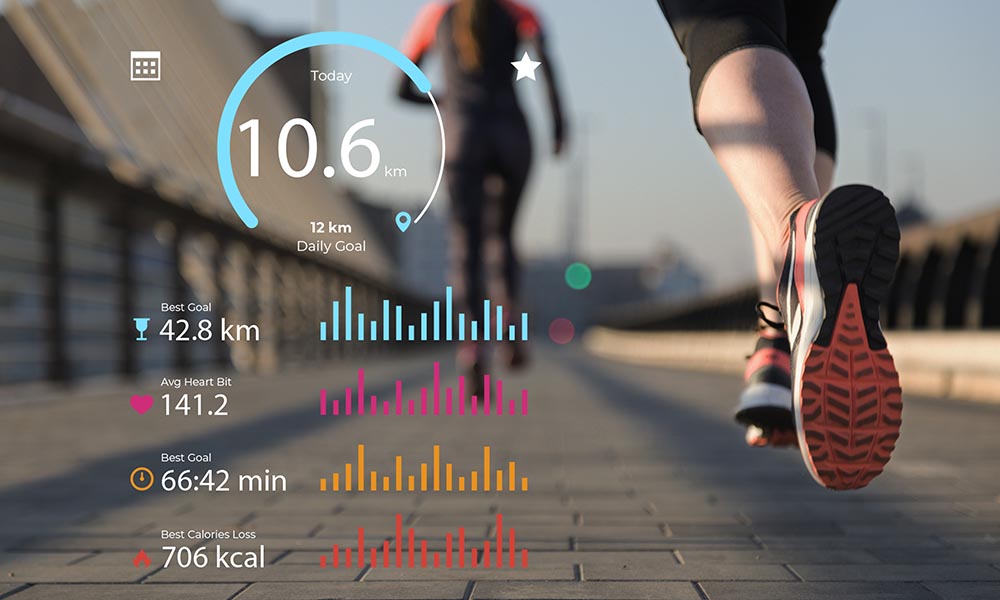
Technology has revolutionized how we track fitness progress. Wearables like fitness trackers, smartwatches, and heart rate monitors can provide real-time data that’s far more nuanced than simply counting steps or calories burned. These tools can give you insights into everything from your heart rate variability to sleep quality, which are key indicators of overall health and well-being.
Advanced strategy: Go beyond basic step tracking by incorporating metrics such as heart rate zones, VO2 max (maximum oxygen uptake), and recovery times. For example, tracking your resting heart rate over time can give you an indication of your cardiovascular fitness. A decrease in your resting heart rate suggests improved cardiovascular health and greater fitness levels.
How to implement: Choose a fitness tracker or smartwatch with advanced features such as heart rate monitoring, sleep tracking, and GPS capabilities. Make use of fitness apps that sync with these devices to get a comprehensive view of your physical activity, recovery, and sleep patterns. Regularly review your metrics and set specific goals (e.g., improve heart rate recovery, increase VO2 max, achieve consistent sleep quality).
3. Track Behavioral Habits with Precision
One of the most underestimated aspects of tracking progress is understanding the influence of your daily habits. Whether you’re looking to lose weight, gain muscle, or improve mental health, behaviors play a significant role in determining long-term results. However, tracking progress based solely on outcomes can overlook the incremental shifts in behaviors that contribute to success.
Advanced strategy: Implement habit tracking systems, such as the Seinfeld Strategy or a digital habit tracker, to monitor consistency in behaviors. Tracking micro-actions—like your water intake, meal timing, exercise routines, and mindfulness practices—can help you identify patterns, stay accountable, and make incremental improvements.
How to implement: Use a simple journal, an app like Habitica, or even a spreadsheet to record daily habits. For instance, if you’re working on building muscle, track not only your gym sessions but also your protein intake, recovery times, and sleep quality. Over time, this detailed tracking allows you to pinpoint exactly which behaviors are driving your progress and which may need adjustments.
4. Leverage Qualitative Tracking for Mental and Emotional Growth
In the pursuit of long-term success, mental and emotional well-being are as crucial as physical progress. While tracking mood or mental health can be challenging, incorporating subjective assessments into your progress tracking can offer valuable insights into your emotional and psychological state.
Advanced strategy: Implement a qualitative self-assessment system, such as journaling or mood tracking. By writing down your thoughts, feelings, and emotional fluctuations, you can identify trends and triggers that affect your mental health. Tools like mood tracking apps or even simple gratitude journals can help you monitor your emotional state alongside other metrics like productivity or fitness.
How to implement: Take 5-10 minutes each day to reflect on your emotional and mental well-being. This could be done through a structured journal (e.g., “Today, I felt most joyful when…”) or a digital tool. If you’re using a mood-tracking app, monitor shifts in mood over time and correlate them with external factors such as sleep, exercise, or work stress. Over weeks or months, you may uncover patterns that help you manage your mental health more effectively.
5. Track the Quality of Your Sleep
Sleep is often the most overlooked aspect of health, despite its pivotal role in everything from cognitive function to physical recovery. Without quality sleep, progress in fitness, productivity, and emotional health will be limited. More than just counting hours of sleep, it’s important to track the quality of that sleep—how deeply you sleep, how many times you wake up, and how long you spend in different sleep stages.
Advanced strategy: Use sleep-tracking technology, such as wearables or apps that track sleep stages (deep, light, REM), duration, and consistency. Data from sleep trackers can help you optimize your bedtime routine and create habits that promote restful, rejuvenating sleep. Poor sleep quality may indicate an underlying issue—such as stress, nutrient deficiencies, or an ineffective exercise routine—that is hampering your progress.
How to implement: Wear a fitness tracker that monitors your sleep stages or use dedicated sleep apps (such as Sleep Cycle or Oura Ring) to gather data. Ensure you’re not just tracking the number of hours but assessing the quality of your sleep by reviewing patterns in deep sleep, REM cycles, and nightly awakenings. Use the data to adjust your lifestyle, such as winding down earlier, reducing caffeine intake, or improving your sleep environment.
6. Set Micro-Goals and Review Progress Regularly
Another powerful strategy for tracking progress is setting micro-goals and assessing them regularly. While long-term goals are important for vision, it’s the smaller, achievable goals that maintain motivation and provide a clear roadmap for success. These micro-goals act as check-in points, helping you measure incremental progress that adds up over time.
Advanced strategy: Break down large goals into smaller, time-bound actions that are specific and measurable. For example, if your long-term goal is to run a marathon, set a series of progressive goals like running 3 miles by week 4, achieving a specific time for a 5k, and gradually increasing your mileage. This approach not only gives you measurable targets but also boosts your confidence as you achieve each mini-goal.
How to implement: Write down your larger goal and break it into smaller, actionable steps. Set specific deadlines and track your completion. For each milestone, assess the impact on your bigger picture. Review your progress weekly to ensure you’re on track and make adjustments as necessary. Apps like Trello, Todoist, or even a traditional planner can be used to organize your micro-goals and monitor completion.
Conclusion
Tracking progress is more than just a numbers game; it’s about using intelligent strategies to monitor real results that matter. By leveraging advanced tracking methods—whether through body composition analysis, fitness metrics, habit systems, or sleep quality monitoring—you can gain valuable insights into your growth. The key is to track not only the outcomes but also the underlying processes and behaviors that drive your success.
Incorporating these strategies into your routine requires consistency and a mindset shift away from surface-level measures. By staying focused on long-term results and refining your approach over time, you’ll find that tracking progress becomes a powerful tool for sustained growth and tangible success in all areas of your life.