
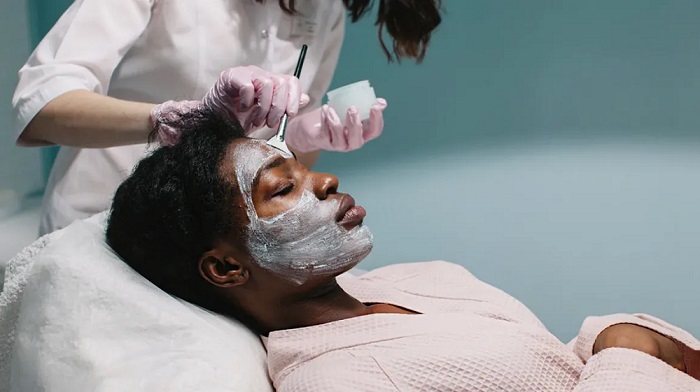
The allure of DIY face masks is undeniable. They promise an easy and affordable way to pamper your skin, often using ingredients found right in your kitchen. But while the promise of glowing skin and reduced blemishes can be tempting, the effectiveness of these homemade concoctions is not always guaranteed. To understand why, we need to delve into the science behind DIY face masks and explore the key factors that influence how they work—or fail to work. Here, we’ll look at the role of ingredients, skin type, application methods, and even the timing of treatments, all backed by scientific research.
1. The Role of Ingredients: Natural But Not Always Effective
The ingredients you choose for your DIY face mask are the foundation of its effectiveness. While many natural ingredients have been celebrated for their benefits, their potency varies, and not all are suitable for every skin type. Let’s examine some common ingredients and what science says about their impact on skin.
Honey is a favorite in DIY face masks, often touted for its moisturizing and antibacterial properties. Research shows that honey, particularly Manuka honey, can indeed help with wound healing and acne prevention due to its antimicrobial effects. Its high sugar content also draws moisture into the skin, making it a great natural humectant. However, honey should be used cautiously for sensitive skin types, as it can sometimes cause irritation or allergic reactions.
Aloe vera, another common ingredient, has been extensively studied for its soothing properties, particularly in treating sunburns. Studies have shown that aloe vera gel can reduce inflammation and promote skin hydration. However, it’s essential to use pure aloe vera gel—many commercial products contain additives and preservatives that may dilute its effectiveness.
Avocado is another widely recommended ingredient, praised for its nourishing qualities. Avocados are rich in vitamins E and C, which have antioxidant properties that can help fight free radicals and slow down the aging process. Additionally, their high-fat content can help provide moisture to dry skin. However, avocado-based masks can be too heavy for oily or acne-prone skin, as the rich oils can clog pores.
While these ingredients are beneficial in some cases, the key takeaway is that not all natural substances are suitable for every skin type. Oily or acne-prone skin, for instance, might not benefit from oils such as avocado or coconut oil, which may exacerbate breakouts. Scientific research supports the idea that the effectiveness of DIY masks largely depends on the proper selection of ingredients tailored to individual skin needs.
2. Skin Type: Tailoring Masks to Your Needs
Skin type is another critical factor that affects how a DIY face mask works. The four main skin types—dry, oily, combination, and sensitive—each have distinct needs that should guide ingredient choices.
For dry skin, masks with hydrating ingredients like yogurt, honey, or avocado are beneficial. These ingredients help lock in moisture and nourish the skin. For oily skin, masks containing clay, such as bentonite or kaolin, are ideal. Clay absorbs excess oil and helps to draw out impurities from the pores, which can help reduce shine and prevent breakouts. Sensitive skin requires extra care, as harsh ingredients can cause irritation. Aloe vera, chamomile, and oatmeal are great options for soothing sensitive skin.
In addition, combination skin requires a balanced approach, where different parts of the face may need different treatments. For example, you might apply a hydrating mask to the cheeks and a clay-based mask to the T-zone to target oiliness.
Understanding your skin type and its specific needs is crucial in ensuring that the DIY face mask you choose will be both effective and safe. According to dermatologists, using the wrong ingredients for your skin type can lead to clogged pores, inflammation, or dehydration, negating the potential benefits of the mask.
3. Application Methods: The Importance of Proper Technique
The way you apply your DIY face mask can significantly impact its effectiveness. Proper technique helps ensure that the ingredients are absorbed correctly and that the mask delivers its intended benefits. The first step is always to cleanse your skin thoroughly before applying a mask. Dirt, oil, and makeup can create a barrier that prevents the mask from properly penetrating the skin.
When applying the mask, make sure to use clean hands or a brush to avoid introducing bacteria to the skin. Spread the mask evenly across the face, ensuring that you cover all areas evenly without over-applying. Scientific studies on facial masks show that the uniform application of the product helps to maintain the right balance between absorption and effectiveness.
Leave the mask on for the recommended duration. This is crucial, as leaving a mask on too long may lead to irritation or, in some cases, dryness. For instance, clay masks are meant to dry and tighten on the skin, but leaving them on too long can draw out excessive moisture, leading to potential skin dryness or irritation. On the other hand, masks containing honey or yogurt can be left on for longer periods without adverse effects, as they are moisturizing.
4. Timing: Finding the Sweet Spot
The length of time a mask stays on your face plays a significant role in its effectiveness. While it’s tempting to leave a mask on for as long as possible to achieve maximum results, science tells us that this may not always be the best approach. For example, masks that contain active ingredients, such as exfoliating acids or clay, should not be left on for extended periods, as they can cause irritation or dryness if overused.
A study published in the Journal of Clinical and Aesthetic Dermatology found that certain ingredients, such as salicylic acid (commonly found in acne masks), can cause irritation if left on for too long, especially for sensitive skin types. On the other hand, masks with soothing ingredients like aloe vera or honey can often be left on longer without causing harm.
The optimal time to leave a mask on varies depending on the type of mask. In general, most masks should be left on for about 10 to 20 minutes. Following the recommended time ensures that you benefit from the mask without overdoing it.
5. Frequency: How Often Should You Use DIY Face Masks?
The frequency with which you apply a DIY face mask is another key factor that influences its effectiveness. Overuse of masks—especially those that contain exfoliating agents or strong active ingredients—can lead to skin sensitivity, redness, or even breakouts. It’s essential to use masks in moderation to avoid overwhelming the skin.
For example, clay masks, which are excellent for oil control and pore purification, should generally be used once or twice a week. Exfoliating masks, which contain ingredients like alpha-hydroxy acids (AHAs) or beta-hydroxy acids (BHAs), should also be limited to once a week to prevent over-exfoliation. On the other hand, moisturizing masks, like those containing honey or aloe vera, can be used more frequently, up to three times a week, depending on your skin’s needs.
Conclusion
DIY face masks can be a great way to enhance your skincare routine, provided that they are used thoughtfully and in alignment with the scientific principles that govern skin health. By considering factors such as the ingredients used, your skin type, proper application techniques, timing, and frequency, you can maximize the benefits of homemade masks while avoiding potential irritation. Scientific research supports the idea that a tailored approach to skincare—one that takes into account both the ingredients and the application process—can lead to more visible, lasting results. So, the next time you reach for a DIY mask, keep these factors in mind to ensure that your skin gets the pampering it truly deserves.