
In the world of health and fitness, few topics stir as much fascination as the search for foods that promote fat burning. While trendy diets and quick-fix solutions often dominate headlines, the future of fat-burning foods is less about gimmicks and more about a deeper understanding of nutrition, metabolism, and how our bodies process different nutrients. With advancements in nutritional science, we are beginning to better understand what truly supports the body’s natural fat-burning processes, and how certain foods can play a pivotal role.
This article will delve into the future of fat-burning foods, exploring the science behind them, the role they play in metabolism, and what we can expect as this field evolves. By the end, you’ll have a clearer picture of the foods that may help you achieve your fat-loss goals—without falling for fleeting trends or false promises.
The Science of Fat-Burning
Before diving into the foods that promote fat burning, it’s important to understand the basic science behind fat loss. Our bodies burn fat when we create a caloric deficit, meaning we expend more energy than we consume. However, not all calories are created equal, and certain foods can influence our metabolism in ways that increase fat burning, even when we’re not actively exercising.
Metabolism is the process by which our bodies convert food into energy. It encompasses all of the chemical reactions that occur within our cells to produce energy, build new tissue, and maintain bodily functions. A faster metabolism burns more calories throughout the day, even at rest, which can contribute to weight loss. Some foods, due to their nutrient profiles, can enhance metabolic activity or encourage fat oxidation, thus aiding the body’s natural fat-burning processes.
The future of fat-burning foods involves a deeper exploration of these metabolic pathways and how we can optimize them through nutrition. Rather than relying on empty calorie counts or unproven diet fads, the foods of tomorrow will be those that work synergistically with our bodies’ innate mechanisms to promote healthier weight management.
Key Categories of Fat-Burning Foods
While there’s no “magic bullet” food that will melt fat away overnight, several categories of foods have been shown to promote fat burning. Let’s break them down and look at what makes them effective.
1. Protein-Rich Foods: The Metabolism Booster
Protein is widely recognized as one of the most important macronutrients for fat loss. Not only does it help to build and repair muscle, but it also has a higher thermic effect than fats and carbohydrates, meaning it requires more energy to digest. This thermogenic effect can boost metabolism and promote fat burning.
Additionally, protein helps regulate hunger hormones like ghrelin and leptin, which control appetite. Consuming adequate protein keeps you feeling fuller for longer, reducing the likelihood of overeating.
Future Trends: As we move toward more sustainable and health-conscious eating habits, plant-based proteins such as legumes, lentils, and pea protein are likely to take center stage. These proteins offer a more sustainable alternative to animal-based options, aligning with both health and environmental goals.
Examples of protein-rich foods that promote fat burning include:
-
Lean meats (chicken, turkey, fish)
-
Legumes (beans, lentils, chickpeas)
-
Plant-based proteins (tofu, tempeh, edamame)
-
Greek yogurt
-
Eggs
2. Fiber-Rich Foods: Your Digestive Ally
Fiber is often overlooked in the fat-burning conversation, yet it plays a significant role in weight management. High-fiber foods slow digestion, keeping you fuller for longer and preventing overeating. They also regulate blood sugar levels, preventing the insulin spikes that often lead to fat storage. Fiber-rich foods also support gut health, which is an emerging area of research linking gut bacteria to weight management and fat storage.
Future Trends: The role of gut health in fat burning will continue to gain traction. More focus will be placed on foods that support a healthy microbiome, such as prebiotic-rich fiber sources (e.g., whole grains, garlic, onions, and asparagus), and fermented foods that encourage the growth of beneficial bacteria.
Examples of fiber-rich foods include:
-
Whole grains (oats, quinoa, brown rice)
-
Vegetables (broccoli, kale, spinach)
-
Fruits (berries, apples, pears)
-
Legumes (lentils, beans)
-
Nuts and seeds (chia seeds, flaxseeds, almonds)
3. Healthy Fats: The Surprising Fat-Burners
While it might sound counterintuitive, consuming healthy fats can aid in fat burning. Fats help regulate hormones involved in fat storage and metabolism, and they also slow digestion, keeping you feeling full longer. Additionally, certain fats, particularly omega-3 fatty acids, have been shown to improve metabolic function and increase fat oxidation.
Future Trends: In the coming years, we will likely see an increased emphasis on omega-3s and other anti-inflammatory fats as part of fat-burning strategies. Expect to see more studies on the synergistic effects of fat and protein in promoting satiety and muscle preservation during weight loss.
Examples of healthy fats include:
-
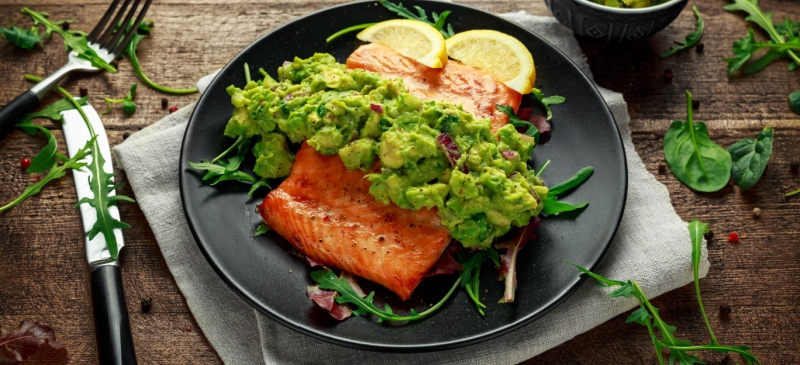
Fatty fish (salmon, mackerel, sardines)
-
Avocados
-
Nuts and seeds (walnuts, chia seeds, flaxseeds)
-
Olive oil and coconut oil
4. Spices and Herbs: Nature’s Metabolic Boosters
Certain spices and herbs have been shown to enhance fat burning by increasing metabolism, promoting thermogenesis, and reducing inflammation. The most well-known fat-burning spice is cayenne pepper, which contains capsaicin, a compound that has been shown to increase calorie burning and fat oxidation. Similarly, green tea, rich in catechins, has long been associated with fat loss due to its ability to boost metabolism and promote fat-burning.
Future Trends: As the demand for natural fat-burning solutions increases, spices and herbs will likely emerge as key components of weight management strategies. Turmeric, ginger, cinnamon, and garlic—each with their unique metabolic properties—will play a larger role in the future of fat-burning foods.
Examples of fat-burning spices and herbs include:
-
Cayenne pepper
-
Green tea (and matcha)
-
Turmeric
-
Ginger
-
Cinnamon
-
Garlic
5. Fermented Foods: A Gut-Health Revolution
The connection between gut health and metabolism has been an emerging field of study. A healthy gut microbiome is believed to play a significant role in regulating fat storage and fat-burning processes. Fermented foods, which are rich in probiotics, can help maintain a balanced gut microbiome, improving digestion and nutrient absorption, which in turn can support fat loss.
Future Trends: With growing awareness of the gut-brain connection, fermented foods will likely become even more popular in the coming years. Foods such as kefir, kimchi, sauerkraut, and kombucha will be increasingly incorporated into weight management strategies.
Examples of fermented foods include:
-
Kimchi
-
Sauerkraut
-
Kefir
-
Yogurt (with live cultures)
-
Kombucha
The Future of Fat-Burning Foods: Personalized Nutrition and Biotechnology
As we look ahead, the future of fat-burning foods is likely to be shaped by advances in personalized nutrition and biotechnology. The growing understanding of how individual genetic makeup, gut microbiomes, and hormones influence weight loss will lead to more tailored approaches to dieting and nutrition. Instead of a one-size-fits-all approach, future fat-burning food strategies may become increasingly personalized, with specific recommendations based on an individual’s biology.
Biotechnology may also pave the way for more potent fat-burning compounds, either through engineered foods or supplements designed to optimize metabolic processes. Foods fortified with specific compounds that enhance fat metabolism, such as certain peptides or bioactive molecules, could become mainstream in the near future.
Conclusion
The future of fat-burning foods is not about magic pills or fad diets; it’s about integrating the right foods into a balanced, science-backed approach to health. As we continue to learn more about the body’s metabolic processes, the focus will shift towards foods that optimize our natural ability to burn fat, promote satiety, and support long-term health. Protein, fiber, healthy fats, spices, and fermented foods will remain central to this evolution, but personalized nutrition and biotechnology will play an increasingly significant role in tailoring fat-burning strategies to individual needs.
By embracing this future-oriented approach to nutrition, we can move beyond quick fixes and instead foster sustainable habits that support our goals for fat loss, metabolic health, and overall well-being. The journey to understanding fat-burning foods is just beginning, and the best is yet to come.