
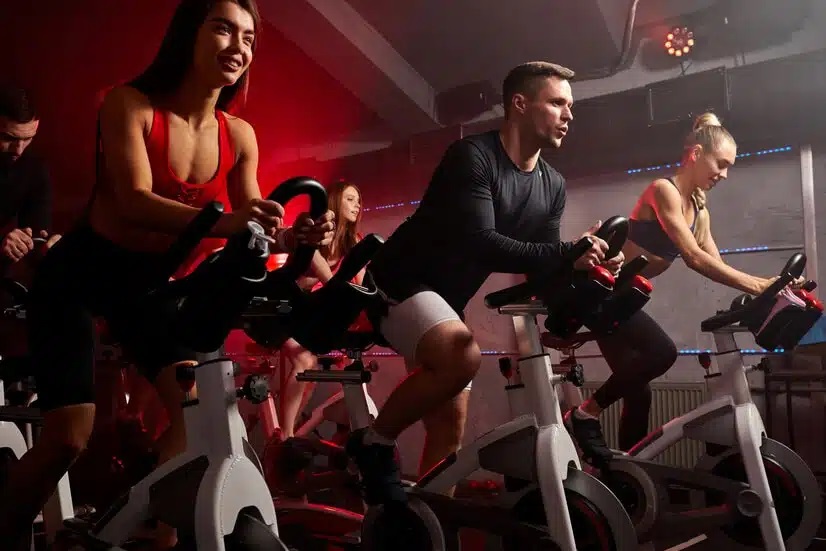
Fitness is not just about physical results. In today’s fast-paced urban environment, where stress levels run high and time is short, exercise also plays a crucial role in emotional wellbeing. spinning classes deliver more than a cardiovascular workout; they create a space where music, movement, and shared energy come together to support mental health. The structured yet dynamic nature of RPM makes it particularly effective at boosting mood, reducing stress, and fostering a sense of belonging.
For many in Singapore, where professional and personal commitments can leave little room for mental rest, the community-driven setting of RPM provides an outlet for both body and mind. At True Fitness Singapore, these classes are designed not only to challenge participants physically but also to inspire emotional resilience and personal motivation.
Exercise and Its Link to Mental Health
Research consistently highlights the strong relationship between physical activity and mental wellbeing. Regular exercise triggers the release of endorphins, serotonin, and dopamine, neurotransmitters that reduce anxiety and promote a sense of happiness. RPM, with its high intensity and rhythmic flow, enhances this effect by combining cardiovascular exertion with music and group dynamics.
The mental health benefits include:
-
Reduced stress and anxiety: Exercise lowers cortisol levels, reducing tension.
-
Improved mood: Endorphins elevate mood after each class.
-
Better focus: Regular training supports cognitive clarity and productivity.
-
Enhanced resilience: Overcoming physical challenges in class translates into improved coping mechanisms outside the studio.
How Group Dynamics Fuel Motivation
One of the strongest psychological benefits of RPM is the motivation that comes from training with others. Unlike solitary workouts, group spinning creates accountability and shared energy that pushes individuals to perform beyond what they might achieve alone.
-
Instructors as motivators: Their cues, encouragement, and music choices keep energy levels high.
-
Peer influence: Seeing others push through difficult intervals inspires persistence.
-
Shared achievement: Completing a challenging climb together fosters camaraderie and pride.
For Singaporeans with demanding schedules, this group-driven motivation ensures consistency and adherence to long-term fitness goals.
Music as a Psychological Catalyst
Music is not background noise in RPM—it is central to the experience. Carefully chosen tracks are matched to cadence, resistance, and intensity. The result is a workout that feels like movement in sync with rhythm, transforming physical strain into emotional release.
-
Fast beats drive intensity, helping participants sustain high cadences during sprints.
-
Steady tempos provide grounding during climbs, making effort more manageable.
-
Emotional tracks create peaks that feel empowering and rewarding.
This connection between rhythm and movement amplifies the release of mood-boosting chemicals, making each class feel therapeutic as well as challenging.
Community and Belonging
Human beings are wired for connection, and RPM provides a sense of belonging that enhances mental wellbeing. Many participants view their class not just as exercise, but as a community where encouragement and support are constant.
-
Friendship and social support: Classes become social networks that reinforce attendance.
-
Shared goals: Pursuing fitness targets alongside others increases accountability.
-
Inclusivity: RPM welcomes participants of all fitness levels, making it accessible and non-intimidating.
This sense of community is particularly valuable in Singapore, where work-life balance challenges often leave little space for personal connections.
Building Mental Resilience Through RPM
The structured intensity of RPM trains more than just muscles; it trains the mind to handle discomfort. Enduring challenging intervals builds tolerance for stress and reinforces a growth mindset. Over time, participants carry this resilience into their professional and personal lives.
Examples of mental resilience developed in class:
-
Pushing through fatigue: Builds determination for tackling demanding workdays.
-
Adjusting resistance: Teaches adaptability in the face of changing challenges.
-
Celebrating small wins: Encourages recognition of progress, fostering confidence.
Why RPM Suits Singapore’s Urban Lifestyle
The psychological benefits of RPM are amplified in Singapore’s context:
-
Long commutes and office hours create stress that spinning helps release.
-
Compact sessions fit into busy schedules, offering a mental reset without consuming hours.
-
Indoor settings provide consistency despite unpredictable weather.
-
The social environment provides connection in a culture where isolation from work stress is common.
By offering both physical and mental health advantages, RPM becomes more than a workout—it becomes a tool for balance in daily life.
Practical Tips to Maximise the Psychological Benefits
To fully experience the mental and motivational advantages of RPM, participants can adopt simple strategies:
-
Arrive early to settle in and mentally prepare before class.
-
Focus on the music and allow rhythm to carry energy forward.
-
Engage socially with fellow riders for accountability.
-
Set small goals such as completing every climb or improving cadence each week.
-
Reflect after class on emotional as well as physical benefits.
These practices enhance not only performance but also the long-term mental rewards of regular participation.
FAQ Section
Q. Can RPM really help with stress relief after a long workday?
A. Yes. The combination of physical exertion, music, and group energy reduces cortisol levels and leaves participants feeling more relaxed and energised. Many find evening classes especially effective for transitioning from work stress to personal downtime.
Q. I often feel anxious in group settings. Will RPM still benefit me?
A. Absolutely. While the group setting provides energy, resistance is self-controlled. This means you can work at your own pace without pressure. Over time, the supportive environment may also help ease social anxiety.
Q. How does RPM compare to meditation or yoga for mental wellbeing?
A. Both RPM and mindfulness-based practices support mental health but in different ways. RPM offers an energetic release of stress and builds resilience through exertion, while yoga and meditation calm the mind. Many participants combine them for a balanced routine.
Q. Will the benefits of RPM last outside of class?
A. Yes. Improved mood, better focus, and increased energy often extend into work, family, and personal life. Regular participation also builds long-term resilience against stress.
Q. Can group RPM classes help with motivation if I usually struggle to exercise consistently?
A. Group RPM is one of the most effective solutions for people who lack consistency. The music, instructors, and community support create accountability that makes skipping sessions less likely.