
When most people think about fitness, their minds often immediately jump to weight. For decades, the number on the scale has been used as the gold standard for assessing health and fitness. However, this number only tells part of the story. It doesn’t differentiate between muscle, fat, bone, and water—elements that all contribute to your body’s overall mass. This is where the concept of body composition comes into play. Understanding and improving your body composition can lead to more significant, sustainable health benefits than simply focusing on weight alone.
In this article, we’ll explore what body composition is, why it’s important, and how you can incorporate strategies to improve it into your daily routine. By the end, you’ll have a clearer understanding of how optimizing body composition can positively impact your health, performance, and overall well-being.
What is Body Composition?
Body composition refers to the proportion of fat and non-fat mass in your body. Non-fat mass includes muscles, bones, water, and organs, while fat mass includes both visceral fat (the fat surrounding your organs) and subcutaneous fat (the fat stored under your skin). It’s crucial to understand that body composition is a far more comprehensive and useful measure than body weight alone, as two people who weigh the same could have vastly different body compositions.
A person with a higher proportion of muscle mass will likely have a lower body fat percentage and a more toned appearance, even if they weigh more than someone who has a higher percentage of body fat. This distinction is why focusing solely on weight can be misleading. By understanding and monitoring body composition, you can track how your body is changing—not just in terms of pounds lost or gained—but in terms of fat loss and muscle gain, both of which are more meaningful for health.
Why is Body Composition Important?
Understanding and improving your body composition is important for several reasons:
-
Health Benefits: Maintaining a healthy body composition is associated with a reduced risk of chronic diseases such as heart disease, diabetes, and hypertension. Excess body fat, especially visceral fat, can increase inflammation and contribute to insulin resistance, which are key factors in the development of metabolic conditions.
-
Improved Performance: Whether you’re an athlete or someone simply aiming to improve your fitness, muscle mass plays a crucial role in overall performance. More muscle mass can enhance strength, endurance, and speed, while also helping to support joints and reduce the risk of injury.
-
Aesthetic Goals: Many people embark on fitness journeys with aesthetic goals in mind, such as getting leaner or building muscle. Improving body composition—rather than obsessing over the number on the scale—allows you to achieve a more defined, toned physique.
-
Increased Metabolism: Muscle tissue burns more calories at rest than fat tissue. By increasing muscle mass, you can elevate your basal metabolic rate (BMR), which means you’ll burn more calories throughout the day—even when you’re not working out. This can help with weight management and improve overall metabolic health.
Key Components of Body Composition
Understanding body composition begins with understanding its two main components: fat mass and lean mass.
-
Fat Mass: Fat mass includes both essential fat (needed for survival and hormone production) and storage fat. While a certain amount of fat is necessary for the body’s functions, excess fat—especially visceral fat—can be detrimental to health. High body fat percentage is associated with increased risk for cardiovascular disease, type 2 diabetes, and other metabolic disorders.
-
Lean Mass: Lean mass includes everything in the body that isn’t fat—muscles, bones, water, and organs. Of these, muscle mass is particularly important, as it’s the most metabolically active tissue. Increasing muscle mass through strength training not only improves your body composition but also boosts metabolism, as muscles require more energy to maintain than fat tissue.
How to Assess Body Composition
Unlike weight, body composition can’t be accurately assessed with a standard scale. However, there are various methods to measure it, ranging from simple to highly precise:
-
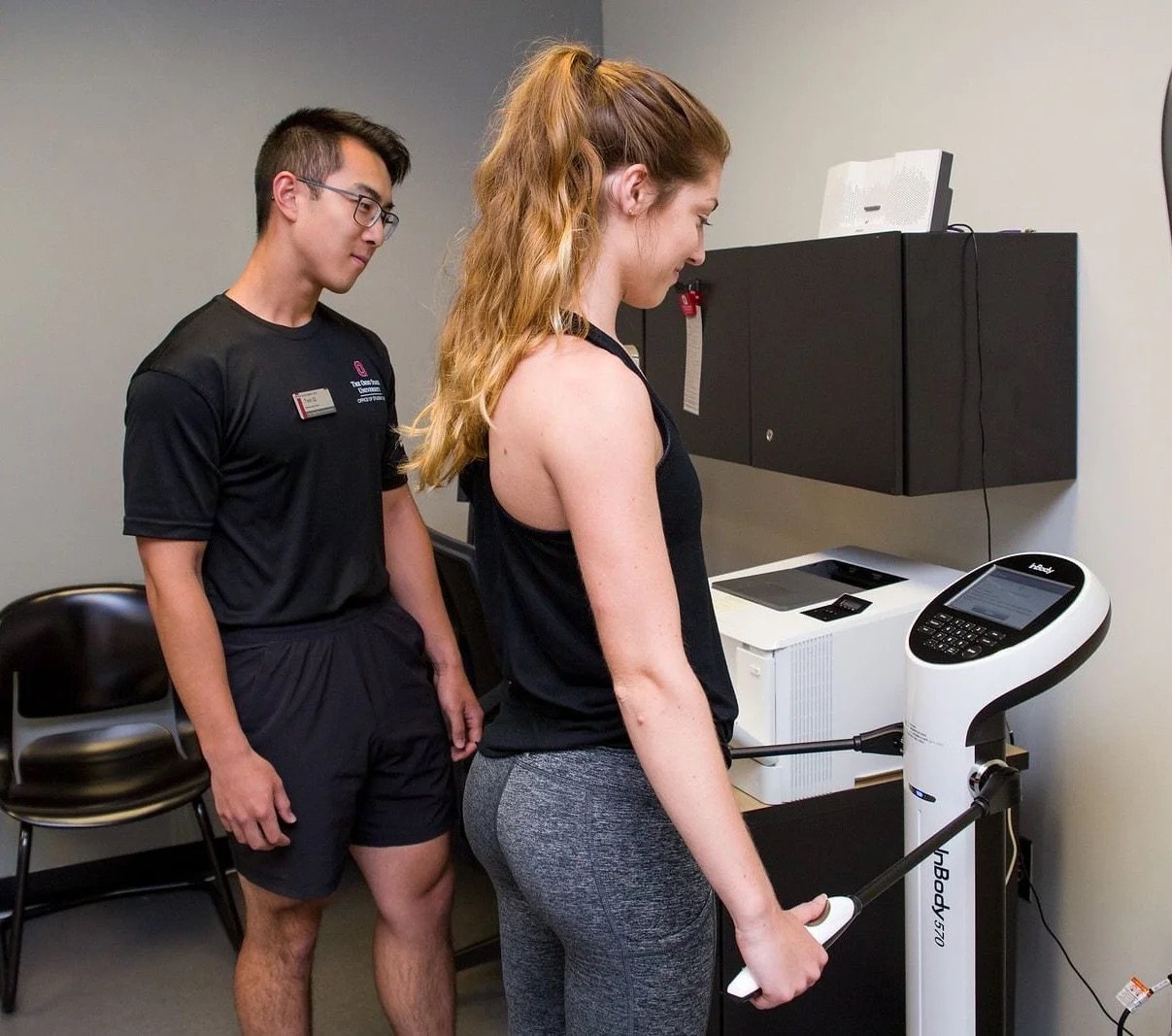
Body Fat Percentage: One of the most common ways to assess body composition is by measuring body fat percentage. This can be done using skinfold calipers, bioelectrical impedance scales, or more advanced methods such as DEXA (dual-energy X-ray absorptiometry) scans. While skinfold calipers and bioimpedance scales are less accurate than DEXA, they can still provide useful estimates.
-
Waist-to-Hip Ratio (WHR): The waist-to-hip ratio is another indicator of body composition, specifically visceral fat. To calculate it, divide the circumference of your waist by the circumference of your hips. A higher WHR suggests a higher risk of developing obesity-related diseases.
-
Body Circumference Measurements: Taking measurements of key areas such as the waist, hips, chest, arms, and legs can help track changes in body composition over time. If your measurements change without a corresponding change in weight, it could indicate changes in fat and muscle mass.
-
Professional Assessments: For a more accurate and detailed analysis, professionals can use tools like hydrostatic weighing, DEXA scans, or air displacement plethysmography (Bod Pod) to assess body composition. These methods provide detailed information on fat mass, lean mass, and bone density.
How to Improve Body Composition
Now that we understand what body composition is and why it’s important, let’s explore some practical strategies you can incorporate into your routine to improve it.
1. Focus on Strength Training
Strength training is the cornerstone of improving body composition. By lifting weights or performing resistance exercises, you can increase muscle mass, which in turn helps to reduce body fat. Aim to incorporate strength training into your routine at least 2-3 times a week, targeting all major muscle groups. Compound exercises like squats, deadlifts, and bench presses are particularly effective, as they engage multiple muscle groups and burn more calories.
2. Incorporate Cardiovascular Exercise
While strength training builds muscle, cardiovascular exercise is essential for burning fat. Activities like running, cycling, swimming, or even brisk walking can help create the calorie deficit necessary for fat loss. High-intensity interval training (HIIT) has been shown to be particularly effective at burning fat while preserving muscle mass, making it an excellent choice for improving body composition.
3. Prioritize Protein in Your Diet
Diet plays a significant role in body composition. One of the most effective dietary strategies for improving body composition is ensuring adequate protein intake. Protein helps repair and build muscle tissue, and it also increases feelings of fullness, helping to prevent overeating. Aim to include a source of lean protein—such as chicken, turkey, fish, eggs, legumes, or tofu—at each meal.
4. Create a Sustainable Calorie Deficit
For fat loss to occur, you must be in a calorie deficit—meaning you consume fewer calories than your body burns. However, extreme calorie restriction can lead to muscle loss, which is counterproductive to improving body composition. Aim for a moderate calorie deficit (about 250-500 calories per day) to ensure fat loss while preserving muscle mass.
5. Stay Hydrated
Water plays a key role in fat loss and muscle preservation. Not only does proper hydration help maintain energy levels during exercise, but it also supports efficient digestion, nutrient absorption, and metabolic function. Aim to drink at least 8 cups of water a day, or more if you’re engaging in intense physical activity.
6. Get Enough Sleep
Sleep is often overlooked in the pursuit of a better body composition, yet it’s crucial for muscle recovery and fat loss. Poor sleep can lead to hormonal imbalances, increased hunger, and a reduction in muscle-building hormones like testosterone. Aim for 7-9 hours of quality sleep each night to support your body’s metabolic processes and enhance recovery.
Conclusion
Understanding body composition is a critical step in achieving long-term fitness and health goals. By focusing on improving both fat mass and lean mass, rather than simply tracking the number on the scale, you’ll gain a much clearer picture of your body’s health and performance. Incorporating strength training, cardiovascular exercise, a balanced diet, adequate hydration, and quality sleep into your routine will set you on the path to a healthier, more functional body. Ultimately, optimizing body composition isn’t about perfection; it’s about making thoughtful, sustainable changes that support a stronger, leaner, and healthier you.